Entry · Ref EU_SN-OK
Bar NYC Guide: The Best Spots for Every Night Out
- Posted
- 2026-11-11
- Last amended
- 2026-11-11
- Account
- @kameronufsn103
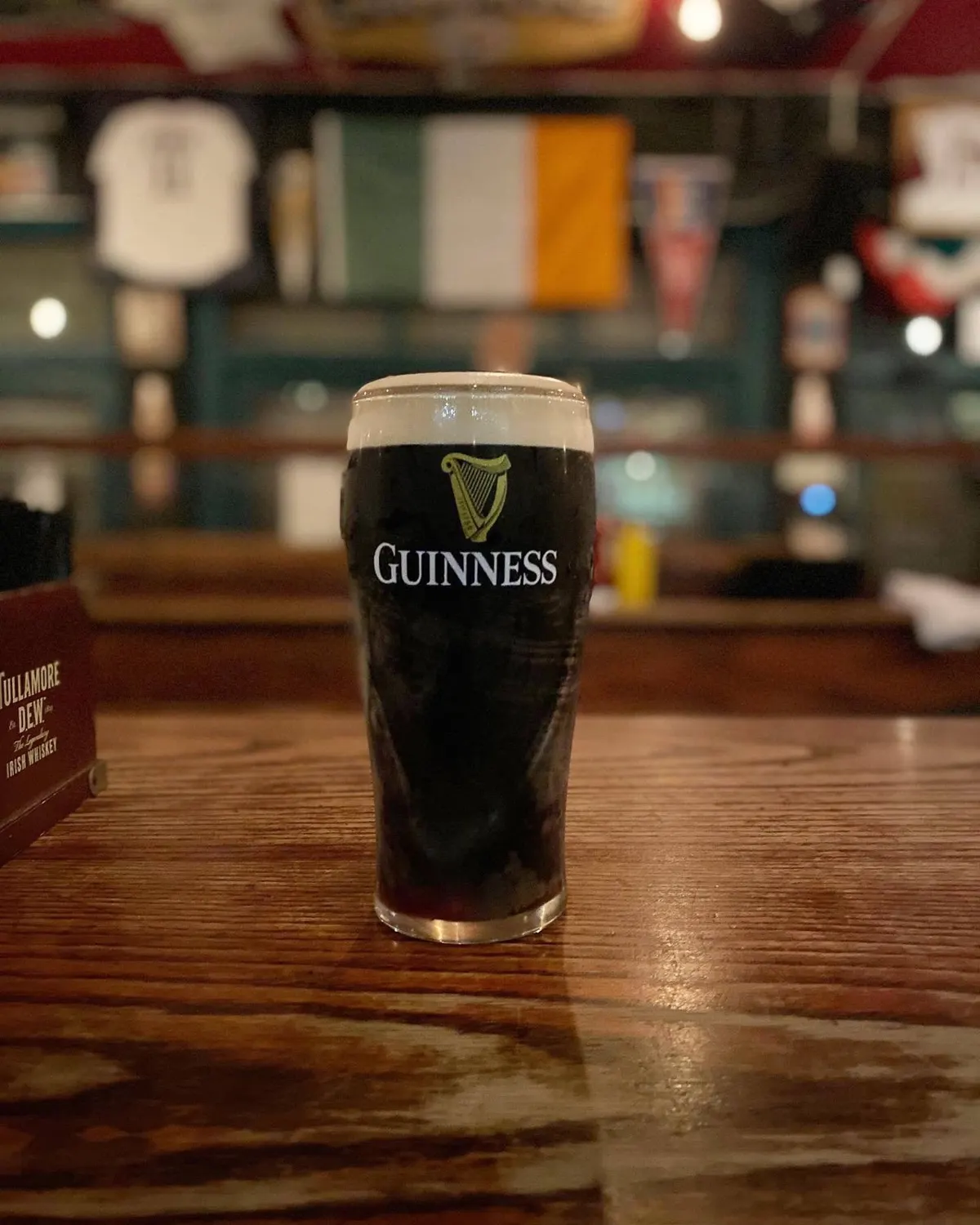
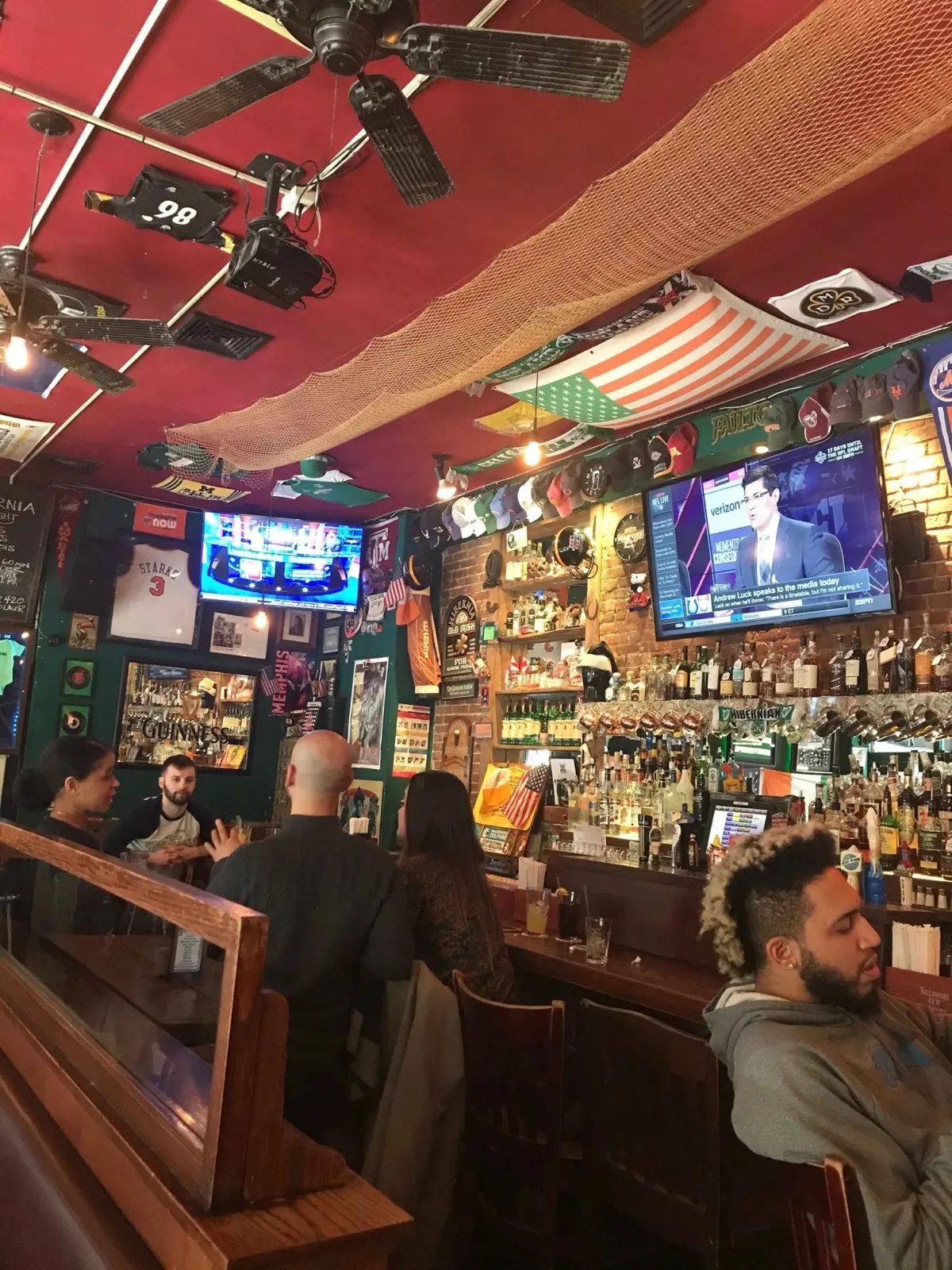
New York rewards specificity. If you say you are going out for drinks in the city, that could mean a frozen margarita in the East Village at 6:30, a martini in Midtown before curtain call, natural wine in Brooklyn at sunset, or a last-call beer under a flickering neon sign at 3 a.m. The phrase Bar NYC sounds simple until you try to pin it down. Then you realize the city does not really have a single bar scene. It has dozens, layered by neighborhood, budget, mood, and how much noise you are willing to tolerate after the second round.
That is what makes drinking in New York so good, and occasionally so frustrating. There is almost always a right bar for the night you want, but there are also ten wrong ones nearby. The best nights tend to happen when the venue matches the purpose. A packed rooftop can be a disaster for catching up with an old friend. A candlelit cocktail den can feel stiff if your group wants shots and loud music. A classic dive can be perfect on a Tuesday and completely dead on a Saturday when you wanted more energy.
After years of bouncing between neighborhoods, work drinks, date spots, birthday gatherings, industry hangouts, and those unplanned one-more-stop nights that somehow end in Chinatown, a few patterns become obvious. Certain places do one thing exceptionally well. Others manage to stay versatile, which is rare in a city where bars often build their entire identity around a single lane. This guide is built around real use cases, because that is how most people actually choose where to go.
What makes a great New York bar
A great bar in New York is rarely just about the drink itself. Plenty of places can make a technically correct Negroni. What matters more is whether you want to drink that Negroni standing elbow to elbow with strangers, settled into a leather banquette, or perched on a back patio that somehow still feels hidden despite being on social media every weekend.
Service counts for more here than people admit. In a city this fast, good bartenders control the room. They keep orders moving, read whether guests want Bar NYC conversation or efficiency, and maintain a pace that keeps the bar lively instead of chaotic. The best ones also understand that New Yorkers and visitors often walk in with different expectations. A local may want a quick beer and shot without ceremony. A visitor may want the whole ritual, the specialty cocktail, the sense that they found a real city institution. The bar that can handle both gracefully usually lasts.
Layout matters too. There are beautiful bars in New York that are miserable to spend time in because the acoustics punish everyone, the stools sit too low, or the traffic bottlenecks near the entrance. Likewise, there are unglamorous rooms that work because they are easy to inhabit. You can actually hear your friend. The bartender can reach you. The lighting makes everyone look better without turning the menu into a puzzle.
Then there is the question of value, which is not the same thing as price. A $20 cocktail in Manhattan can feel fair if the drink is balanced, the room is memorable, and the service is sharp. A $12 glass of indifferent wine can feel expensive if you are drinking it under fluorescent lighting while brushing against winter coats. New York is expensive enough that people notice when a bar earns its tariff.
For a first date, choose polish over spectacle
A first-date bar in New York should make conversation easier, not harder. That sounds obvious, yet some of the city’s most frequently recommended date spots are so dark, loud, or crowded that they force both people to shout and smile through the stress. The better move is a place with enough atmosphere to feel intentional, but not so much theater that it overpowers the evening.
West Village bars tend to do this well, though they come with predictable waits. The neighborhood still excels at intimate rooms, good cocktails, and the kind of streets that let you extend the night with a walk if things are going well. A bar with low lighting, a compact but thoughtful menu, and a little buzz in the room usually hits the mark. East Village options can work too, especially if you lean more casual, but the energy there skews younger and louder. That can be fun, though less forgiving if the chemistry is uncertain.
For a stronger first impression, hotel bars are often underrated. They are built for comfort, they train staff well, and they usually avoid the frantic squeeze you get in trend-driven downtown spots. You lose some neighborhood edge, but you gain breathing room and a backup plan if one of you arrives early. Sitting at a hotel bar with a well-made martini remains one of the most reliable adult moves in the city.
If the date matters, reserve when possible. New Yorkers sometimes treat reservations as uncool in bar culture, but that confidence usually fades after spending 40 minutes waiting in a vestibule. A table does not guarantee romance, but it does remove friction, and in a city where every plan competes with a hundred alternatives, that counts.
For catching up with friends, comfort wins
Not every night out needs to be optimized for novelty. Sometimes the goal is simply to talk without rushing, order another round without performing for the room, and maybe share fries or a burger if dinner never happened. That calls for bars with physical and social ease.
Neighborhood taverns and well-run pubs often outperform destination cocktail spots here. They can absorb changing group sizes. They do not punish people for showing up in stages. They offer enough drink variety to satisfy the person who wants an IPA, the person who wants orange wine, and the person who still orders vodka soda everywhere. A good pub in New York also solves a common local problem, which is that many bars are designed beautifully but feed people poorly or not at all. If the kitchen is dependable, the whole evening relaxes.
This is where Brooklyn has a real edge. In neighborhoods like Fort Greene, Carroll Gardens, Park Slope, and Williamsburg, you find more bars with room to settle in. Manhattan can feel transactional by comparison, especially in high-rent corridors where turnover matters. Brooklyn spaces often have larger footprints, better outdoor areas, and a pace that encourages staying longer than one round. That difference is not universal, but it shows up often enough to shape where people make plans.
A friend catch-up also benefits from lower menu complexity. The drink should be good, but nobody needs an eight-minute explanation of the amaro program when the point is to finally hear about someone’s new job or breakup. Some of the smartest Bar NYC choices are the least flashy because they understand that hospitality can be invisible. The room just works.
For out-of-town guests, give them New York without the cliché
Visitors usually want two things at once. They want something distinctly New York, and they do not want to feel trapped in a tourist funnel. That balance can be tricky. Send them somewhere too polished and they could be anywhere. Send them somewhere too scruffy and they may wonder whether you actively dislike them.
Classic old New York bars still deliver when chosen carefully. A historic tavern with worn wood, strong pours, and a crowd that mixes office workers, neighborhood regulars, and curious newcomers can be ideal. It gives visitors the city texture they came for, without requiring a lecture on why this particular basement matters. Great beer halls can work too, especially for groups. So can old-school steakhouses with strong bar programs if the budget allows.
Rooftops are the obvious visitor move, but they are not always the smart one. The view is the draw, yet the drinks are often the weak link, and the line can consume an hour that would be better spent elsewhere. If you are going to a rooftop, go early, ideally before sunset, and treat it as one stop rather than the whole night. The skyline remains hard to beat, but no New York memory gets stronger because somebody waited 55 minutes for an elevator.
A better visitor itinerary often includes one scenic choice and one grounded one. Start somewhere visually impressive, then move to a neighborhood bar with personality. That combination captures the city more honestly than spending all night in venues designed mainly for the camera.
The bars that work before dinner and after work
New York runs on transitional drinks. Few rituals are more local than the stop between the office and whatever comes next. These bars need to be efficient and energetic, but not exhausting. Midtown, Flatiron, Nomad, and parts of Soho all have strong candidates, though each area carries a different social code.
Midtown bars thrive on speed and consistency. You see finance teams, theatergoers, conference visitors, and people killing time before trains. The best ones know exactly what they are: crisp martinis, cold oysters, reliable wine, enough room to stand, and bartenders who can process a crowded rail without losing composure. The worst feel like airport lounges with better tailoring.
Downtown, the after-work crowd spreads out more. In Flatiron and Nomad, there is a slightly more relaxed polish, often with stronger cocktail programs and a little more visual ambition. Soho can go either way. Some bars there still feel effortless and adult. Others become clogged with shoppers and reservation drift, which can make an uncomplicated drink feel strangely labor-intensive.
If the plan is dinner after, keep the first stop disciplined. This is where good bars distinguish themselves by how smoothly they get people in and out. Nobody wants the pre-dinner drink that becomes a logistical problem.
When the night is about cocktails, details matter
There are bars in New York where cocktails are not just a menu category but the central reason to go. When that is the goal, everything sharpens. You notice glassware, dilution, ice quality, menu editing, and whether the bartender understands restraint. A room can be moody and inventive, but if every drink lands sweet or overwrought, the evening starts to drag.
The best cocktail bars in the city tend to share a few traits. They edit hard. They are not trying to offer forty house creations plus every classic under the sun. They also respect the guest who wants something off-menu. A strong bar can build around preference, spirit, and mood without making the exchange feel intimidating. That flexibility is often a mark of genuine talent.
Lower Manhattan remains rich territory for serious cocktails, though Brooklyn has closed the gap over Bar NYC the past decade. You can still find some of the city’s smartest programs in compact downtown rooms where every inch of the backbar is curated. But the borough divide matters less than the philosophy. Look for places where the staff seems in command rather than merely rehearsed. Technique without warmth gets old fast.
If you care deeply about the drink, go earlier than peak time. Crowding affects execution. Even great bartenders lose a bit of finesse when three deep orders stack across the bar. Early evening gives you the same menu with better attention and a better seat.
If you want energy, know what kind
People often say they want a lively bar when what they really mean is they want one of three very different atmospheres: a social room where strangers might actually talk, a music-forward place that tilts toward dancing, or a high-volume party bar where subtlety is not the point. New York has all three, but they are not interchangeable.
The East Village still does social chaos well. Bars there can feel porous, with crowds spilling onto sidewalks and groups merging in loose, happy ways. For many people in their twenties and early thirties, that remains the default fun night out. Williamsburg offers a broader spectrum, from warehouse-adjacent cool to polished hotel bars, while the Lower East Side has enough overlap between nightlife scenes that you can pivot mid-evening without much effort.
For dancing, the bar itself may just be the first chapter. Plenty of smart nights begin in a place with good drinks and enough sound to raise the pulse, then move toward a more overtly late-night venue. Trying to force one bar to be cocktail den, social mixer, and dance floor usually leads to compromise.
If your group wants high energy but not full club logistics, choose a bar with music and momentum rather than a headline DJ situation. It keeps the threshold lower and the night more flexible.
Where to go when you want low-key
Some of the best New York nights start with lowered expectations. No ambitious itinerary, no impossible reservation, no neighborhood hopping. Just a bar where you can get a solid drink, claim a corner, and stay as long as it feels good.
This is the domain of dives, neighborhood wine bars, and modest beer spots that understand repeat business. The city still has enough of them, though rents continue to make their survival less certain. A true dive has its own standards. It should be unpretentious, yes, but not careless. Sticky floors are fine. Warm beer is not. The atmosphere should come from history, regulars, or attitude, not from neglect marketed as authenticity.
Low-key wine bars fill a different niche. They are particularly good for weeknights, solo stops, and small groups that want something gentler than a full cocktail room. Many now offer stronger by-the-glass programs than they did even five years ago, which matters in a city where committing to a bottle can inflate the bill quickly. A thoughtful by-the-glass list lets people drink better without overcommitting.
One overlooked advantage of quieter bars is that staff often have more bandwidth to guide you. If you are unsure what to order, this is where bartenders and servers can genuinely shape the experience.
Outdoor drinking in New York, the fantasy and the reality
Outdoor space can make a bar feel twice as valuable in the warmer months, but expectations need calibration. New York patios range from truly charming back gardens to sidewalk setups inches from traffic, and the market tends to price them similarly. The trick is knowing which atmosphere you are buying.
Backyards and courtyards are gold because they create separation from the city’s noise without requiring a rooftop premium. Brooklyn has many of the best examples, though Manhattan still offers a few tucked-away gems. Sidewalk seating can be great for people-watching, especially downtown, but less great for conversation if buses are part of the soundscape.
Weather also changes behavior dramatically. On the first genuinely warm Friday of spring, every outdoor bar in the city becomes twice as crowded as usual. Service slows, reservations matter more, and the casual drink can become an endurance sport. Seasoned New Yorkers learn to go midweek, a little early, or in shoulder months like May and September when the mood is high and the crush is slightly lower.
A few neighborhoods that consistently deliver
Not every neighborhood needs to be a nightlife destination. Some excel at restaurants, galleries, or daytime coffee and never quite cohere after dark. But a few parts of the city remain dependable for bar-hopping, in the truest sense of being able to change your mind midstream and still land somewhere good.
- East Village, best for variety, spontaneity, and younger energy
- West Village, strongest for date-night polish and classic ambiance
- Lower East Side, ideal for nights that may get louder and later
- Williamsburg, broadest range from casual beer bars to sleek cocktails
- Fort Greene and nearby Brooklyn pockets, excellent for relaxed nights with room to breathe
This does not mean every bar in these neighborhoods is worth your time. It means the density of viable choices is high enough that a weak first stop does not ruin the night. That is a meaningful distinction in New York, where crossing town can take longer than people pretend.
How to avoid the most common mistakes
The city punishes vague plans. A little judgment saves money, time, and mood.
- Do not choose solely from social media, many photogenic bars are mediocre in person
- Do not underestimate noise, especially if the night depends on conversation
- Do not wait until 9 p.m. To visit a no-reservation hotspot on a Friday
- Do not assume expensive means special, some of the city’s best nights still happen over beer and a shot
- Do not over-schedule, one strong neighborhood usually beats three rushed destinations
These are simple points, but they account for many disappointing nights. The strongest bar plans leave room for adjustment while still respecting the realities of distance, lines, and energy.
Price, tipping, and the real cost of a night out
It is impossible to talk about Bar NYC without talking about cost. A standard beer in Manhattan often lands in the high single digits to low teens. Cocktails at serious programs commonly sit around the high teens to low twenties, and premium hotel bars can push beyond that. Wine-by-the-glass pricing varies wildly, sometimes in ways that tell you a lot about the bar’s priorities. If the markups are aggressive across a thin list, the venue may be leaning harder on ambiance than substance.
Tipping norms remain straightforward. Twenty percent is standard for table service and still common at the bar, especially if the bartender is doing more than cracking a beer. For simple transactions, some regulars round with a little flexibility, but in a city where service work is demanding and pace is high, stinginess gets noticed.
The practical way to budget a night is to think in rounds, not individual prices. Two cocktails plus tax and tip can easily clear $50 per person. Add food or a second stop and the total rises fast. There is no moral lesson here, just arithmetic. Some of the best value in New York still comes from bars that know exactly what they are serving and keep it honest.
The best bar is the one that fits the night
The mistake visitors make is chasing the single best bar in New York, as if such a thing exists in any useful sense. The mistake locals make is the reverse, relying too heavily on habit and missing how much the city keeps changing around them. New openings reshape a block. Older institutions sharpen or slip. Neighborhoods cool off, then rebound. What stays constant is the value of choosing well for the occasion.
A memorable New York night does not require exclusivity, impossible reservations, or a 40-drink backstory from the menu. It usually requires a bar that understands its own lane and executes it with confidence. The room feels right. The drink arrives as it should. The crowd adds energy without taking over. You can imagine staying, but you can also imagine moving on. That tension, between enough and maybe one more, is part of what the city does best.
So if you are deciding where to go, start with the night you actually want. Do you need ease, mood, volume, views, craft, or simple competence? Choose from there. New York will provide the rest.
Hibernia Bar
401 W 50th St
New York, NY 10019
(212) 969-9703
FAQ About Bar NYC
What is there to do in Hell's Kitchen, NYC?
Explore the restaurants and bars along Ninth Avenue, catch a Broadway show nearby, or visit the Intrepid Museum on the Hudson River. Hibernia Bar is at West 50th Street and Ninth Avenue, a convenient stop before or after a show.
What are some bars in New York City that serve good food?
Hibernia Bar in Hell's Kitchen serves wings, burgers, fish and chips, and shepherd's pie. Its kitchen lists a 2 a.m. closing time, which makes it an option for dinner after a show or a game.
How far is Hell's Kitchen from Times Square?
Hell's Kitchen is just west of Times Square. From Broadway and West 45th Street, Hibernia Bar is roughly 0.6 miles away, or about a 12-minute walk depending on crowds.